Roof Tile Guide (UK)
Types, Costs & Lifespan Explained
Choosing the right roof tiles is one of the most important decisions when installing or replacing a roof. The materials you choose will affect cost, durability, appearance, and long-term maintenance.
At JMB Roofing Ltd, we install roofs across Bedford, Northampton, and surrounding areas. Here’s a simple guide to help you choose the right option.
Concrete Roof Tiles
Concrete Roof Tile Types (UK Guide)
Plain Tiles, Pan Tiles & Interlocking Tiles Explained
Concrete roof tiles are one of the most widely used roofing materials in the UK. They are durable, cost-effective, and suitable for a wide range of property types.
Below is a breakdown of the three main types of concrete tiles used in UK roofing.
Typical lifespan: 50–70 years
👉 Best for homeowners looking for a cost-effective and reliable solution
Concrete Plain Tiles
Description
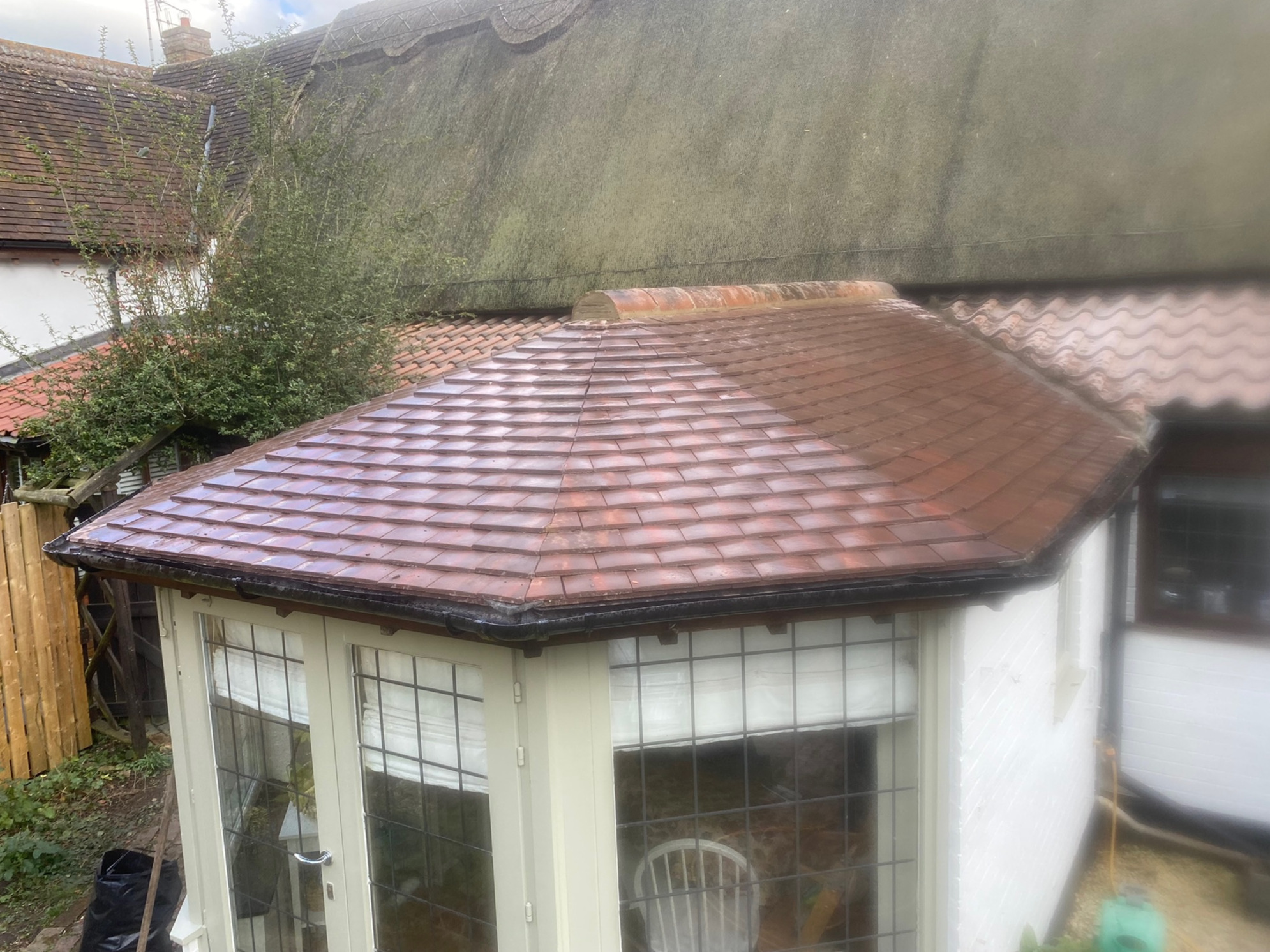
Concrete plain tiles are small, flat tiles that are laid in a double-lap system, meaning each tile overlaps the tiles below and adjacent to it. This creates a very tight, weather-resistant covering.
Typical size: approx. 265mm x 165mm
Fixing: nailed and/or clipped depending on roof pitch and exposure
Best Use
Traditional and period-style properties
Properties where a high-quality, detailed finish is required
Roofs with complex shapes (hips, valleys, dormers)
Advantages
Excellent weather resistance due to double-lap design
Strong and durable
Provides a traditional appearance similar to clay tiles
Considerations
Requires more tiles per square metre (around 60 tiles/m²)
Higher labour cost due to installation time
Heavier overall roof load
Concrete Pan Tiles
Description
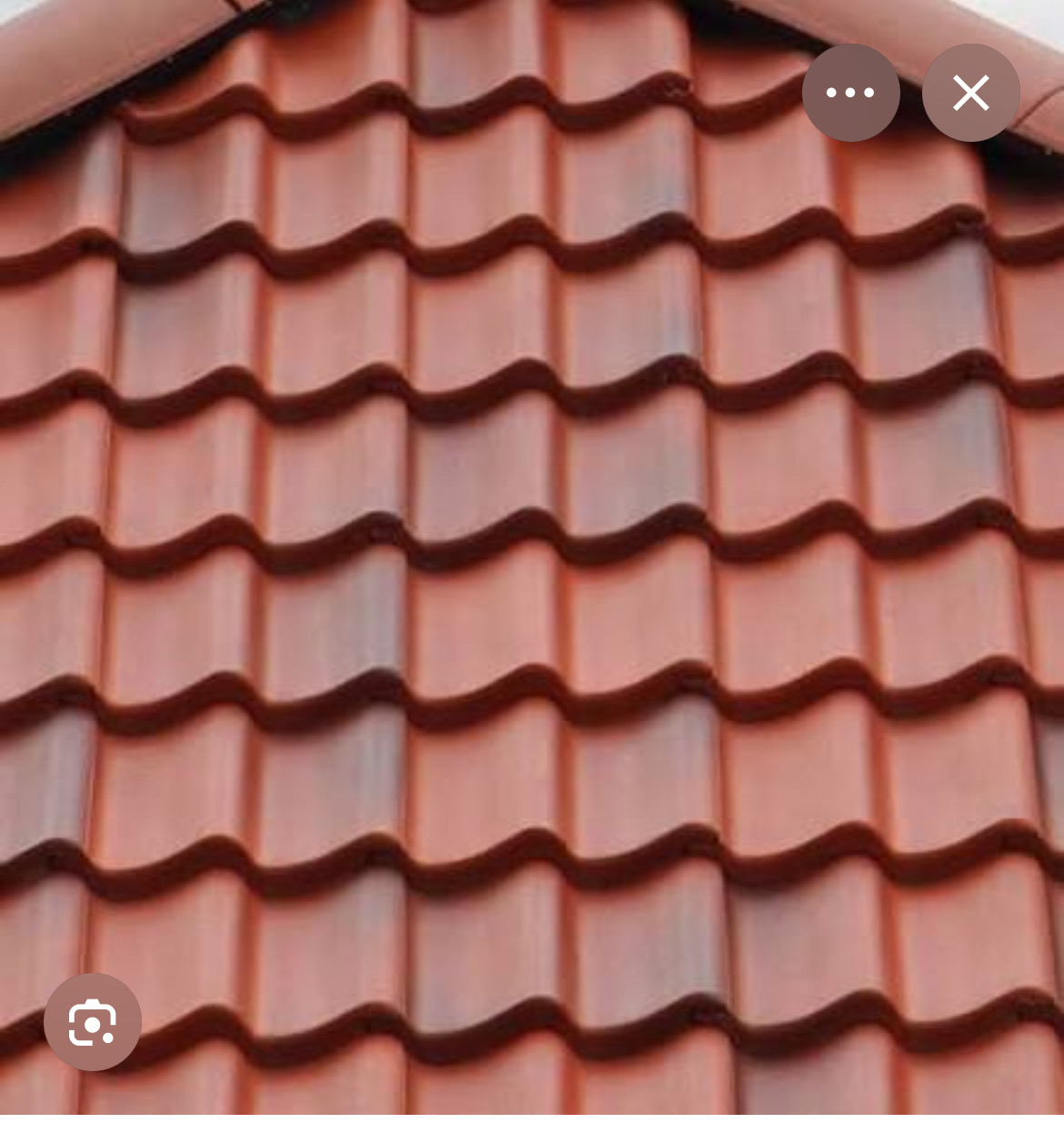
Concrete pan tiles have a single-lap design with a curved profile that helps channel rainwater off the roof. They are larger than plain tiles and require fewer tiles per square metre.
They often replicate the look of traditional clay pantiles found on older UK properties.
Best Use
Properties where a traditional or character look is desired
Roofs where improved water drainage is beneficial
Renovations matching existing pantile roofs
Advantages
Fewer tiles needed compared to plain tiles
Faster installation
Distinctive, traditional appearance
Considerations
Less overlap than plain tiles (single lap)
Requires correct pitch to ensure weather performance
Slightly less flexible for complex roof designs
Concrete Interlocking Tiles
Description
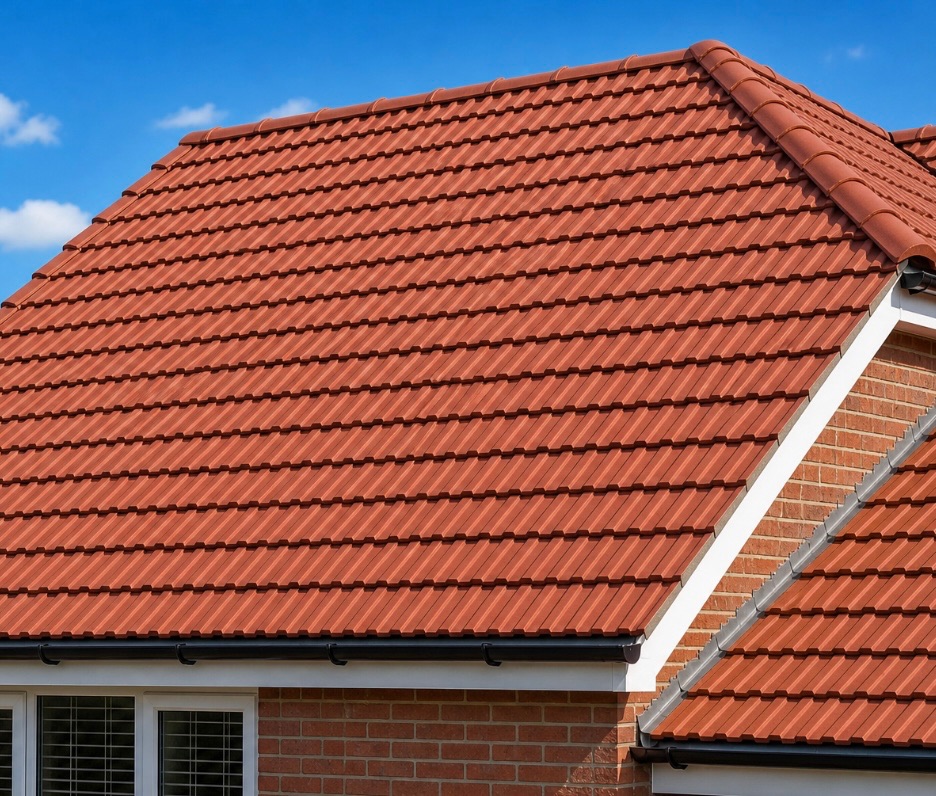
Concrete interlocking tiles are the most commonly used tiles in modern UK roofing. They feature a single-lap system with interlocking edges, which helps create a secure and weather-resistant fit.
They are larger than plain tiles and designed for efficient installation.
Best Use
Modern homes and new builds
Roof replacements where cost efficiency is important
Large, simple roof areas
Advantages
Fewer tiles required (around 10–15 tiles/m²)
Faster installation, reducing labour costs
Good weather resistance when properly installed
Most cost-effective concrete tile option
Considerations
Less traditional appearance compared to plain or clay tiles
Not always suitable for heritage or period properties
Benefits
Affordable and widely available
Durable and weather-resistant
Suitable for most properties
Things to consider:
Things to consider:
Heavier than some alternatives
Colour can fade over time
Clay Roof Tiles
Clay Roof Tile Types (UK Guide)
Handmade, Machine-Made & Clay Pantiles Explained
Clay roof tiles are known for their long lifespan, colour stability, and traditional appearance. They are widely used across the UK, particularly on period and high-end properties.
Below is a clear guide to the main types of clay tiles and where they are best used
Typical Lifespan
👉 Often 80–100+ years, and in many cases significantly longer
Handmade Clay Tiles
Description
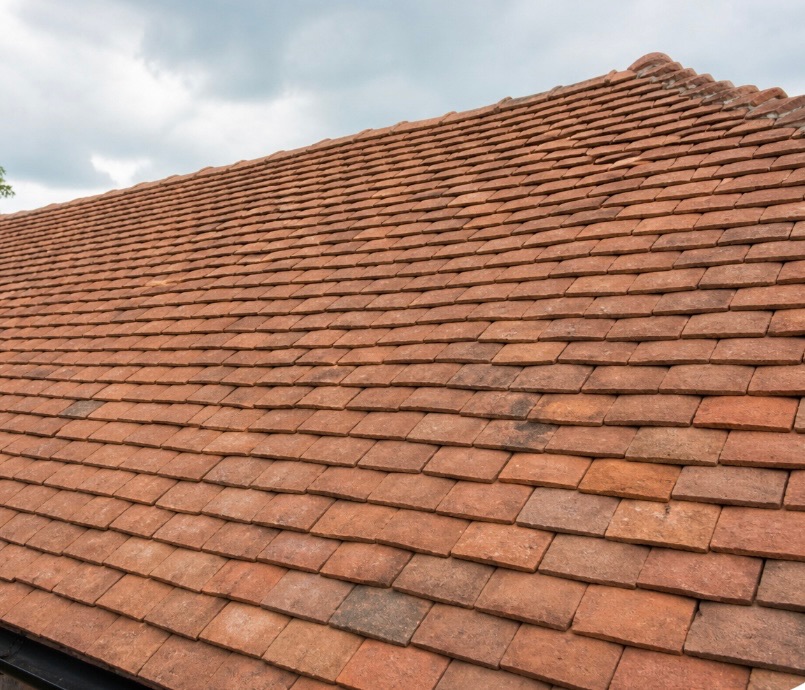
Handmade clay tiles are individually crafted using traditional methods, giving each tile slight variations in shape, size, and texture.
They are typically produced using a mould and hand-finishing process, resulting in a more natural, irregular appearance compared to machine-made tiles.
Best Use
Listed buildings and heritage properties
Conservation areas
High-end residential projects
Roofs requiring an authentic, traditional finish
Advantages
Unique, characterful appearance
Ideal for matching existing historic roofs
Excellent longevity
Natural clay colour that does not fade
Considerations
Higher material cost
Slower installation due to variation in tiles
Requires skilled installation
Often required for planning compliance in conservation areas
Typical Lifespan
Machine-Made Clay Tiles
Description
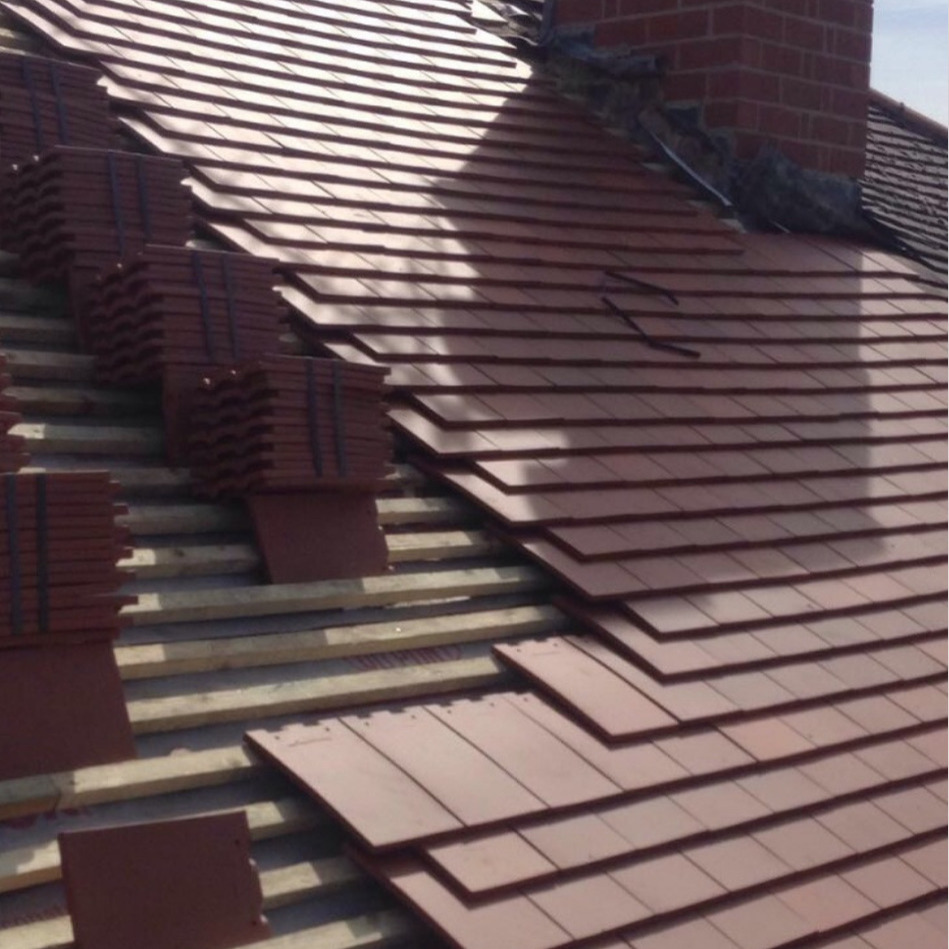
Machine-made clay tiles are manufactured using precision processes such as pressing or extrusion, creating uniform size, shape, and thickness.
They offer the appearance of traditional clay tiles but with greater consistency and efficiency.
Best Use
Residential properties
New builds and extensions
Roof replacements where a traditional look is desired at a lower cost than handmade tiles
Advantages
Consistent shape and size
Easier and quicker to install than handmade tiles
Wide range of colours and finishes
Long-lasting and colourfast
Considerations
Less variation and character than handmade tiles
Still higher cost than concrete alternatives
Clay Pantiles
Description
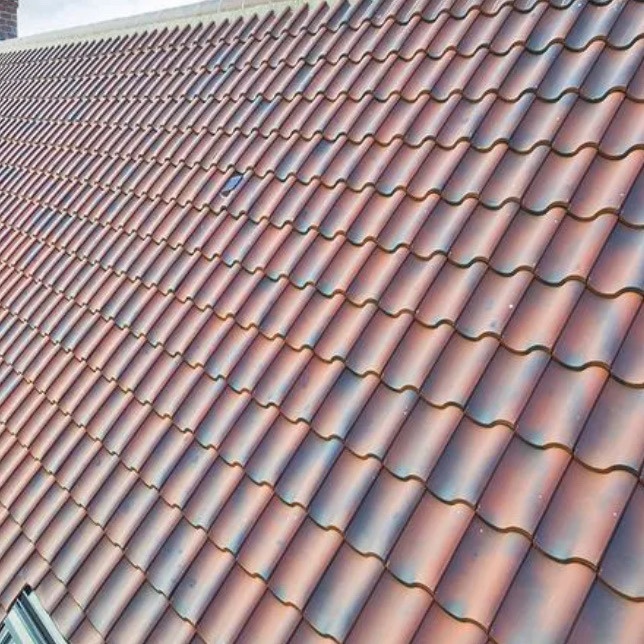
Clay pantiles are single-lap tiles with a distinctive S-shaped profile, designed to create a rippled effect across the roof.
They are traditionally associated with certain regions of the UK, particularly the East of England and coastal areas.
Best Use
Period and character properties
Properties replacing existing pantile roofs
Areas where pantiles are part of local architectural style
Advantages
Distinctive traditional appearance
Efficient water drainage due to curved profile
Fewer tiles required compared to plain tiles
Durable and long-lasting
Considerations
Requires correct roof pitch for performance
Not suitable for all property styles
May be required in certain areas to maintain local character
Benefits
Why Choose Clay Tiles?
Clay tiles offer:
Exceptional lifespan
Colour that does not fade over time
Strong resistance to weathering
A premium, traditional finish
👉 They are often chosen for long-term value and appearance
Things to consider:
Which Clay Tile Is Right for Your Roof?
The right choice depends on:
Your budget
Property type
Planning or conservation requirements
Desired appearance
At JMB Roofing Ltd, we can help you choose the most suitable clay tile for your property and ensure it is installed correctly.
Need Advice or a Quote?
📞 Call 07946 408708
📧 [email protected]
👉 We cover Bedford, Northampton, and surrounding areas
Slate Roof Tiles
Slate Roof Tiles (UK Guide)
Natural Slate vs Artificial Slate Explained
Slate roofing is one of the most durable and visually appealing options available in the UK. It is commonly used on period properties, high-end homes, and long-term roofing projects.
There are two main types:
Natural slate
Artificial (man-made) slate
Here’s what you need to know
Typical Lifespan
👉 80–100+ years (Welsh slate can exceed this significantly)
Natural Slate Tiles
Description
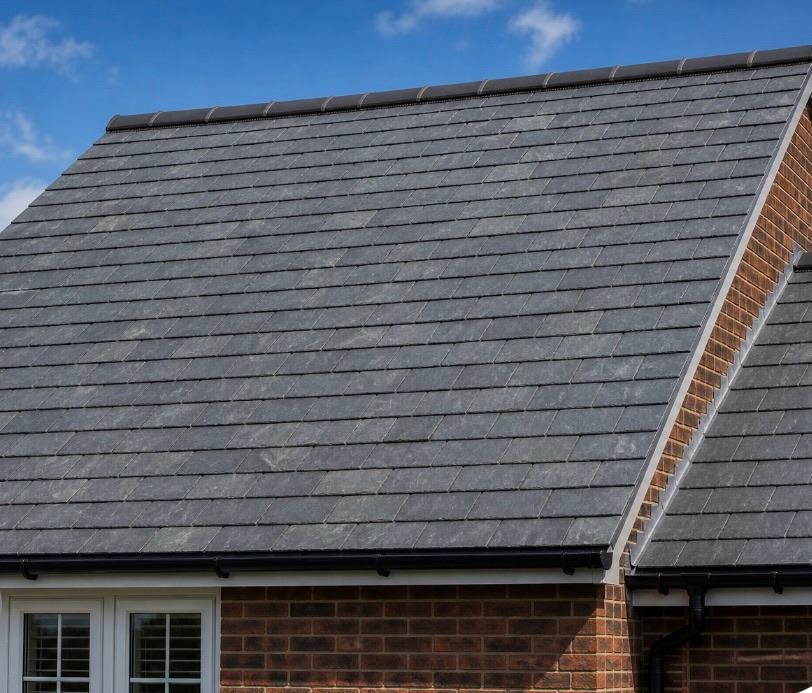
Natural slate is a stone product, quarried and split into thin sheets for roofing. Each tile is unique, with natural variations in colour and texture.
Common sources include:
Welsh slate
Spanish slate
Brazilian slate
Best Use
Period and heritage properties
High-end residential homes
Long-term roofing investments
Areas where traditional materials are required
Advantages
Extremely long lifespan
Natural, premium appearance
Highly resistant to weather and UV damage
Low maintenance
Considerations
Higher material and labour cost
Requires skilled installation
Heavier than some alternatives
Quality varies depending on source
Artificial Slate Tiles (Man-Made Slate)
Description
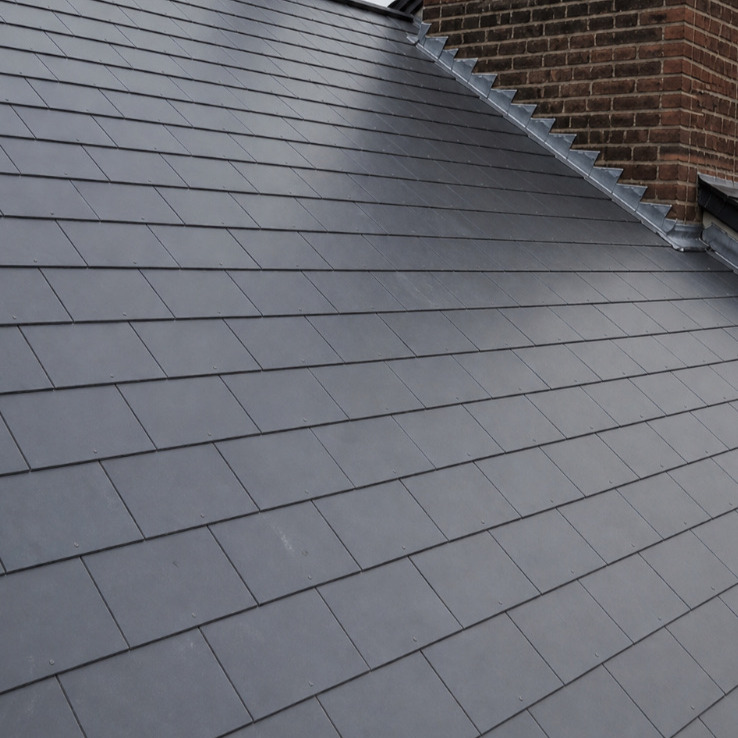
Artificial slate tiles are manufactured from materials such as fibre cement, concrete, or recycled composites, designed to replicate the look of natural slate.
They are produced in uniform sizes and shapes for easier installation.
Best Use
New builds and modern homes
Roof replacements where budget is a consideration
Properties wanting a slate appearance without the full cost
Advantages
More affordable than natural slate
Lighter weight (often suitable for more roof structures)
Consistent size and easier installation
Lower labour costs
Considerations
Shorter lifespan than natural slate
Appearance is more uniform and less natural
Some products may fade over time depending on quality
Benefits
Which Slate Option Is Right for You?
Choose natural slate if:
You want the longest possible lifespan
You prefer a premium, traditional finish
Your property suits or requires natural materials
Choose artificial slate if:
You want a slate look at a lower cost
Your roof structure benefits from a lighter material
You’re working within a set budget
Things to consider:
Why Slate Is a Popular Choice in the UK
Slate roofs are known for:
Exceptional durability
Strong resistance to harsh weather
Long-term value
Timeless appearance
👉 Making them a smart investment for many properties
How Tile Choice Affects Cost
The cost of a new roof depends on:
Type of tile
Size and pitch of the roof
Labour and installation
👉 In general:
Concrete tiles = most affordable
Clay tiles = mid to high range
Slate = premium
.Need Advice on Roof Tiles?
If you’re planning a new roof or replacement, we can help you choose the right option for your property and budget.
📞 Call 07946 408708 for a FREE quote
📧 [email protected]
Need Advice or a Quote?
📞 Call 07946 408708
📧 [email protected]
👉 We cover Bedford, Northampton, and surrounding areas
CLICK FOR TESTIMONIALS

What Client Our Says About Us
Great roofer with excellent customer care!
jason did a fantastic job replacing a leaking flat roof, replacing broken tiles and lead flashings. As it was quite windy and wet on the first night, Jason drove out just to make sure our roof lights were secure and everything was battened down properly. Second day , the job was completed to an excellent standard and all working around a wet and windy couple of days to make sure we were leak free. Its rare to come across such professional tradesmen that genuinely cares for his customers. I wouldn't hesitate to recommend him. Thanks for your great care and professionalism.
Richard O'Brien
100% Recommend, very professional and well priced.
Jay and his son completed a brand new flat roof, really lovely job and were a lot cheaper than the other top rated roofers.
Katie Grace
Total flat roof replacement including boards and full house guttering replacement.
We had a fantastic experience with JMB! From start to finish we were thoroughly impressed. Jason and co worked incredibly hard on our complete flat roof replacement and new guttering, and the quality of their work is outstanding. We were so grateful for their professionalism they were always polite , tidy, and clearly experts, guiding us with their knowledge whenever we had questions. Its clear he runs a wonderful family business built on fair prices and honest work. We would while heartedly recommend JMB to anyone. Thank you so much for everything!!
Callie Prentice